Virgin Mary SVG, DXF, EPS, JPG, PNG: Strategic Use for Design and Branding
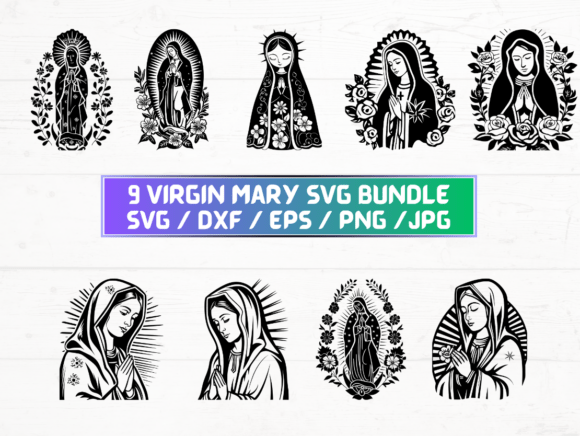
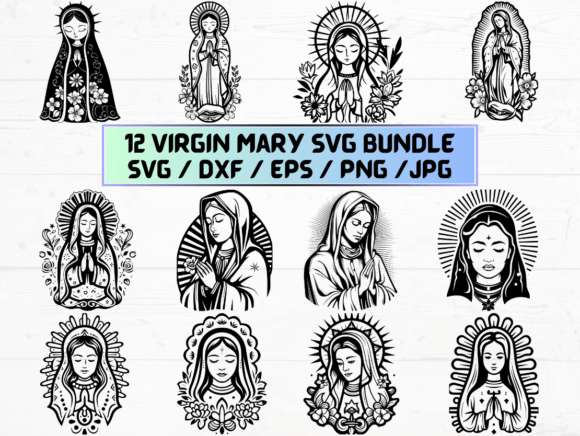
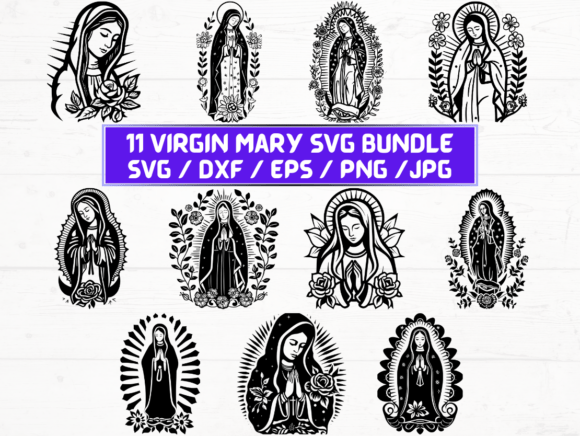
The Virgin Mary SVG, DXF, EPS, JPG, and PNG files represent a versatile digital asset that can be strategically integrated into various design workflows. This collection of 5 file formats in a ZIP folder includes 11 versions of each format, offering flexibility for different applications. Whether you're an entrepreneur launching a brand, a marketer crafting visual content, or a designer seeking high-quality assets, understanding how to use these files effectively is essential.
Understanding the File Formats
Before exploring the strategic value of these files, it's important to understand what each format offers:
- SVG (Scalable Vector Graphics): Ideal for web use and scalable without loss of quality. Perfect for logos, icons, and illustrations.
- DXF (Drawing Exchange Format): Commonly used in CAD software, this format is suitable for technical drawings, signage, and laser cutting.
- EPS (Encapsulated PostScript): A vector format widely used in print design, ensuring high resolution and scalability for professional printing.
- JPG (Joint Photographic Experts Group): Best for photographs and complex images with rich color gradients. It’s commonly used for web banners and social media graphics.
- PNG (Portable Network Graphics): Supports transparency and is excellent for logos, buttons, and graphics that need to blend seamlessly with backgrounds.
By having access to all five formats, you can ensure compatibility across digital and print platforms, making this bundle a valuable resource for any creative project.
Strategic Use Cases for Virgin Mary SVG, DXF, EPS, JPG, PNG
These files can be used in multiple ways depending on your goals and context. Here are some practical scenarios where they might be useful:
Branding and Logo Development
If you're developing a brand identity, having the Virgin Mary image in SVG and EPS formats allows for scalable use in logos, business cards, and promotional materials. The transparent PNG files can be used for website headers, app icons, and digital marketing campaigns.
Print and Signage Production
For businesses needing large-format prints or signage, the DXF and EPS files are ideal. These formats maintain clarity and detail when scaled up, which is crucial for billboards, posters, and exhibition displays.
Digital Marketing and Social Media
The JPG and PNG files are well-suited for online use. They can be incorporated into social media posts, email newsletters, and digital ads. The transparent PNGs allow for seamless integration with website layouts and mobile app interfaces.
Craft Projects and DIY Creations
Hobbyists and crafters can use the SVG files in vector-based design software like Adobe Illustrator or Inkscape. These files can be modified, resized, and printed for use in scrapbooking, embroidery, or laser-cutting projects.
Planning and Implementation Tips
To make the most of these files, consider the following steps before integrating them into your workflow:
- Define Your Purpose: Determine whether you need the image for print, digital use, or both. This will help you choose the right file format.
- Assess Compatibility: Ensure that the chosen file format is compatible with the software and tools you're using. For example, if you're working in a CAD environment, prioritize DXF over SVG.
- Check Resolution and Quality: While the PNG files come at 300 dpi with transparent backgrounds, always verify that the resolution meets your project's requirements, especially for print.
- Consider Modifications: If you plan to edit the image, SVG and EPS formats offer more flexibility for resizing and reworking compared to raster formats like JPG and PNG.
When to Avoid Using These Files
While these files offer versatility, there are situations where their use may not be appropriate:
- Lack of Clear Goals: Using these files without a defined purpose may lead to wasted resources and ineffective outcomes. Always align their use with a specific objective.
- Incorrect Format Selection: Choosing the wrong format for a particular application can result in poor quality or incompatibility issues. For instance, using a JPG for a logo may lead to pixelation when scaled.
- Overuse Without Context: Repeating the same image across multiple platforms without considering its relevance can dilute brand messaging and confuse audiences.
It's important to approach the use of these files with intentionality, ensuring they support your broader strategy rather than being used randomly.
Risks and Considerations
Despite the benefits, there are risks associated with using these files without proper planning:
- Legal and Copyright Issues: Always confirm that you have the rights to use the image, especially for commercial purposes. Unauthorized use could lead to legal complications.
- Inconsistent Branding: Using the Virgin Mary image inappropriately or without alignment with your brand values can negatively impact perception and trust.
- Technical Limitations: Some file formats may not work well with certain software or devices. Testing the files in your intended environment before finalizing a project is crucial.
By being aware of these risks and taking proactive measures, you can mitigate potential challenges and maximize the value of these digital assets.
Maximizing Long-Term Value
To ensure long-term success with these files, focus on creating a consistent and strategic approach:
- Integrate with Brand Guidelines: Incorporate the Virgin Mary image into your brand guidelines to maintain consistency across all touchpoints.
- Track Performance: Monitor how the image performs in different contexts—whether it enhances engagement, improves recognition, or supports your messaging.
- Update Regularly: As your brand evolves, revisit the use of these files to ensure they remain relevant and aligned with current strategies.
With careful planning and execution, the Virgin Mary SVG, DXF, EPS, JPG, and PNG files can become a powerful tool in your creative arsenal, supporting your goals and delivering meaningful results.