Fairy Clipart: A Versatile Digital Asset for Creative Projects
Fairy Clipart has become an essential resource for designers, educators, and creators looking to add a touch of whimsy and elegance to their digital and print projects. These clipart images are not just decorative elements; they serve as functional tools that can enhance the visual appeal of presentations, websites, educational materials, and more. With a wide range of file formats available, Fairy Clipart ensures compatibility across various design platforms and software.
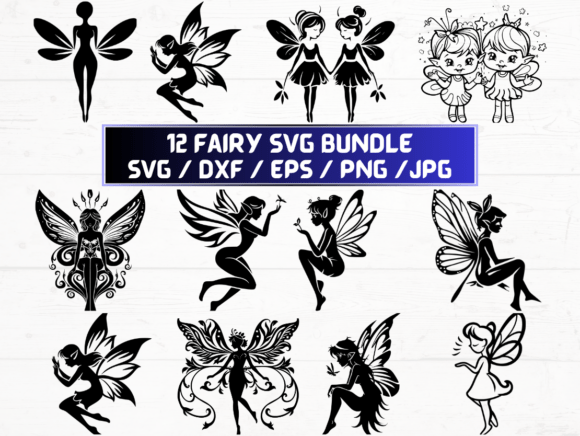
This listing includes 5 files in a ZIP folder, offering an instant download with 12 SVG, PNG, DXF, JPG, and EPS files. Each file is crafted with precision, featuring transparent backgrounds and high-resolution quality (300 dpi). This comprehensive package makes it easy for users to integrate these graphics into their workflows without the need for additional editing or conversion.
Understanding the File Formats Included
The variety of file formats provided in this Fairy Clipart package ensures that users have the flexibility to work with their preferred design tools. Here’s a breakdown of what each format offers:
- SVG (Scalable Vector Graphics): Ideal for web use and graphic design applications, SVG files maintain clarity at any size, making them perfect for logos, illustrations, and icons.
- PNG (Portable Network Graphics): These files support transparency and are widely used for web graphics, banners, and social media content.
- DXF (Drawing Exchange Format): Commonly used in CAD software, DXF files allow for precise vector editing and are suitable for signage, engraving, and industrial design.
- JPG (Joint Photographic Experts Group): Best for photographs and complex images with gradients, JPG files are great for print and digital publishing.
- EPS (Encapsulated PostScript): This format is favored by professional printers and designers for its scalability and compatibility with both vector and bitmap data.
By including all these formats, Fairy Clipart caters to a diverse audience, from web developers to graphic artists, ensuring that every user can find the right format for their specific needs.
Practical Use Cases for Fairy Clipart
Fairy Clipart can be utilized in numerous ways across different industries and creative fields. Here are some practical examples of how these digital assets can be applied:
- Website Design: Incorporating fairy-themed illustrations can help create a magical atmosphere on websites related to children's books, fantasy games, or nature-inspired brands.
- Educational Materials: Teachers and educators can use these cliparts to make learning materials more engaging for young students, especially when teaching subjects like mythology, folklore, or environmental science.
- Print Media: From greeting cards to book covers, fairy clipart adds an enchanting touch that appeals to a broad audience, making it ideal for publishers and boutique printing services.
- Social Media Content: Content creators can enhance their posts with these visuals to attract attention and foster a sense of wonder among followers.
- Business Branding: Companies aiming to convey a whimsical or eco-friendly brand identity can leverage these cliparts in marketing collateral, packaging, and promotional materials.
Whether you're designing a simple poster or a complex website, Fairy Clipart provides the versatility needed to bring your vision to life with minimal effort.
Advantages of Using Fairy Clipart
One of the primary advantages of using Fairy Clipart is its ease of integration into existing design projects. Since the files come in multiple formats, there's no need to convert or resize images manually, saving time and reducing potential errors. Additionally, the transparent background feature allows for seamless blending with other design elements, ensuring a cohesive look.
Another benefit is the high-quality resolution of the images. At 300 dpi, these cliparts are suitable for both digital and print applications, maintaining sharpness and clarity regardless of the medium. This level of detail is particularly important for professional-grade outputs where image quality is paramount.
Moreover, the availability of these cliparts as a digital product means that users can access them instantly without waiting for physical delivery. This convenience is especially valuable for those who require quick turnaround times for their projects.
Considerations When Using Fairy Clipart
While Fairy Clipart offers many benefits, there are a few considerations to keep in mind before integrating these assets into your projects:
- Licensing: Ensure that you understand the licensing terms associated with the clipart to avoid any legal issues. Most digital products come with usage rights, but it's always wise to review the terms carefully.
- Design Compatibility: Although the cliparts are designed for various formats, it's important to check if they are compatible with your specific design software. Some programs may have limitations regarding certain file types.
- Cultural Sensitivity: When using fairy-themed imagery, be mindful of cultural contexts and symbolism. Fairies and mythical creatures can carry different meanings in various cultures, so it's crucial to use them appropriately.
- Originality: While clipart can be a useful tool, it's important to ensure that your final design doesn't rely too heavily on stock images. Strive for originality in your compositions to maintain a unique visual identity.
By keeping these considerations in mind, you can effectively utilize Fairy Clipart while respecting intellectual property and creative integrity.
Integrating Fairy Clipart into Your Workflow
To make the most of Fairy Clipart, consider the following steps to integrate these digital assets into your workflow:
- Download and Extract: After purchasing the product, download the ZIP folder and extract the contents to a dedicated project folder. This helps organize your files and keeps your workspace tidy.
- Review the Files: Take a moment to review the different file formats included. Identify which ones are best suited for your current project and open them in your preferred design software.
- Edit and Customize: If necessary, edit the clipart to fit your design requirements. You can adjust colors, sizes, or layer elements to create a more personalized look.
- Combine with Other Assets: Blend the fairy clipart with other design elements such as text, photos, or additional illustrations to create a cohesive composition.
- Export and Share: Once satisfied with your design, export the final product in the appropriate format and share it with your intended audience or clients.
By following these steps, you can streamline your workflow and efficiently incorporate Fairy Clipart into your creative projects.
Conclusion
Fairy Clipart offers a valuable resource for anyone seeking to add a touch of magic and creativity to their digital and print projects. With its diverse file formats, high-quality resolution, and versatile applications, it serves as a powerful tool for professionals and hobbyists alike. By understanding the characteristics, advantages, and considerations of using these digital assets, you can unlock new possibilities for your creative endeavors. Whether you're designing for the web, print, or social media, Fairy Clipart provides the flexibility and quality needed to bring your ideas to life.