Crucifix Clipart: A Guide to Choosing, Using, and Avoiding Common Mistakes
Crucifix clipart is a versatile digital asset that can be used for a variety of creative and professional purposes. Whether you're designing religious materials, creating educational content, or working on branding projects, having access to high-quality crucifix clipart can make your work more efficient and visually appealing. However, many people overlook important details when selecting and using these digital files, which can lead to suboptimal results. In this guide, we’ll explore what crucifix clipart is, why it’s useful, and how to avoid common pitfalls when choosing and using it.
Understanding Crucifix Clipart and Its Uses
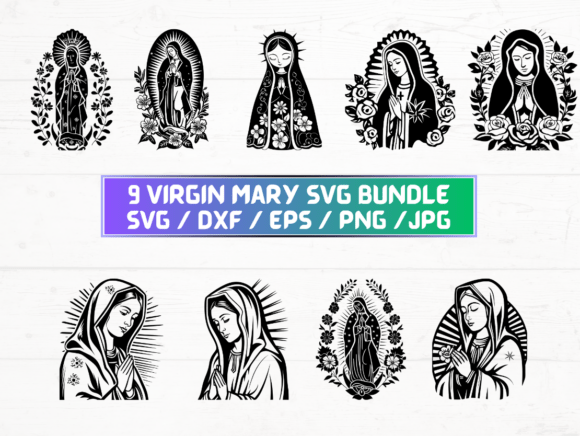
Crucifix clipart refers to digital images of a crucifix that are designed for use in graphic design, print media, presentations, and online content. These images come in various formats such as SVG, PNG, JPG, EPS, and DXF, each with its own strengths and ideal uses. For example, SVG files are great for scalable designs, while PNGs with transparent backgrounds are perfect for overlays and web graphics.
People interested in crucifix clipart often include educators, religious organizations, graphic designers, and small business owners who need visual elements for their projects. The versatility of these files makes them suitable for both personal and commercial use, provided the licensing terms allow it.
Common Mistakes When Choosing Crucifix Clipart
Selecting the right crucifix clipart isn’t always straightforward. Here are some common mistakes people make and how to avoid them:
- Ignoring File Formats: Not all file formats are created equal. If you’re planning to use the image in a vector-based design program like Adobe Illustrator, an SVG or EPS file would be better than a raster format like JPG. Always check the intended use before downloading.
- Overlooking Resolution: While the listing mentions 300 dpi for PNG files, it's important to ensure that the resolution matches your project needs. High-resolution files are essential for print, whereas lower resolutions may suffice for web use.
- Not Checking Licensing Terms: Some clipart comes with restrictions on commercial use. Always review the license agreement to ensure you're allowed to use the image for your specific purpose.
- Choosing Low-Quality Designs: Not all crucifix clipart is created equally. Poorly designed images can detract from the professionalism of your project. Look for clipart that is well-detailed, proportionally accurate, and stylistically appropriate for your needs.
How to Use Crucifix Clipart Effectively
Once you’ve selected the right clipart, it’s important to use it effectively. Here are some tips to help you integrate crucifix clipart into your projects without common errors:
- Match the Style to Your Project: Ensure that the style of the crucifix (e.g., modern, traditional, minimalist) aligns with the overall aesthetic of your design. Mismatched styles can create a jarring effect.
- Use Transparent Backgrounds Wisely: PNG files with transparent backgrounds are great for layering, but they can also cause issues if not placed correctly. Make sure the background of your design complements the clipart rather than clashing with it.
- Respect Copyright and Licensing: Even if you purchase clipart, it's important to respect the rights of the creator. Always credit the source if required and follow any usage guidelines provided.
- Test Before Finalizing: Before using the clipart in a final project, test it in different contexts. This helps identify any scaling, color, or placement issues that could affect the final outcome.
What to Check Before Downloading Crucifix Clipart
Before making a purchase, take a moment to review the product details carefully. Here are a few things to look for:
- File Format Compatibility: Confirm that the clipart includes the file types you need. The listing provides SVG, PNG, JPG, EPS, and DXF files, which should cover most design needs.
- Resolution and Quality: Ensure that the resolution and quality of the files meet your project requirements. High-resolution PNGs at 300 dpi are ideal for print, while SVGs offer flexibility for digital use.
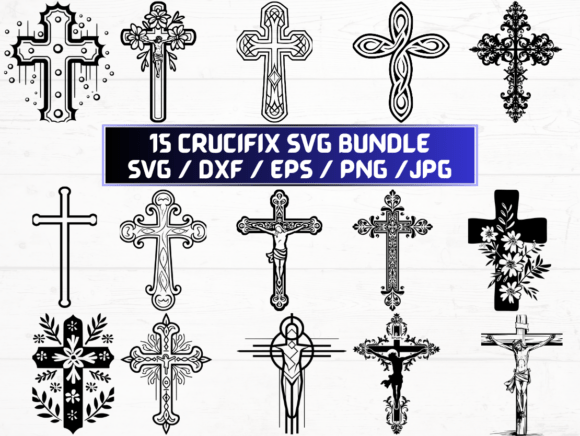
- Quantity and Variety: The package includes 15 files across multiple formats, giving you flexibility in how you use the clipart. Consider whether this variety is sufficient for your needs or if you might require additional options later.
- Instant Download: Since this is a digital product, the instant download feature is convenient. Make sure you have a reliable internet connection and a secure place to store the ZIP folder after downloading.
Conclusion
Crucifix clipart can be a valuable resource for anyone looking to enhance their designs with meaningful and relevant imagery. By understanding the different file formats, checking licensing terms, and ensuring compatibility with your project needs, you can avoid common mistakes and achieve better results. Remember, the key to successful use lies in thoughtful selection and proper application. With the right approach, crucifix clipart can elevate your creative projects and communicate your message more effectively.